
Fixing Failures Before Full Replacement Becomes Necessary
Septic tank repairs in LaGrange for leaking tanks, damaged components, and systems showing signs of malfunction
Septic tanks develop cracks from ground settling, inlet and outlet baffles deteriorate from constant wastewater exposure, and distribution boxes fail when lids collapse or pipes separate at connections. These problems allow untreated sewage to leak into surrounding soil, permit groundwater to flood the tank and overwhelm the drain field, or cause solids to bypass the tank and clog the drain field before proper settling occurs. Kelley Septic & Services, LLC diagnoses and repairs septic system damage throughout LaGrange, addressing problems that would otherwise progress to complete system failure requiring full replacement. You notice these issues when drains slow despite recent pumping, sewage odors persist near the tank, wet spots appear in the yard, or toilets and fixtures back up during normal use.
Repair work begins with diagnosis to identify the specific failure point, whether that's a cracked tank wall, a missing baffle, a separated pipe connection, or a collapsed distribution box. The tank must be pumped before interior repairs can proceed, allowing clear visibility of cracks, baffle mounting points, and inlet/outlet connections. Common repairs include sealing cracks with specialized epoxy compounds, replacing deteriorated baffles that prevent solids from exiting the tank, and reconnecting or replacing damaged inlet and outlet pipes.
Call for a diagnostic appointment if your system shows signs of malfunction so repairs can be completed before damage spreads.
What Repairs Actually Accomplish
Repairing a damaged tank or component restores the system's ability to separate solids from liquids and contain wastewater during the settling process, which prevents contamination of surrounding soil and groundwater. Baffle replacement stops solids from flowing directly to the drain field, where they would clog soil pores and create permanent damage requiring drain field replacement. Sealing cracks stops groundwater infiltration that dilutes tank contents and sends excessive liquid volume to the drain field, causing premature saturation and failure.
After repairs are completed, normal drainage resumes with wastewater flowing properly through the system, and odors disappear as leaks are sealed and proper containment is restored. You'll notice that the system handles daily water usage without backups or slow drains, and there are no longer wet spots or sewage surfacing in the yard. These repairs extend the functional life of the existing system by years or decades, avoiding the $8,000 to $15,000 cost of complete system replacement.
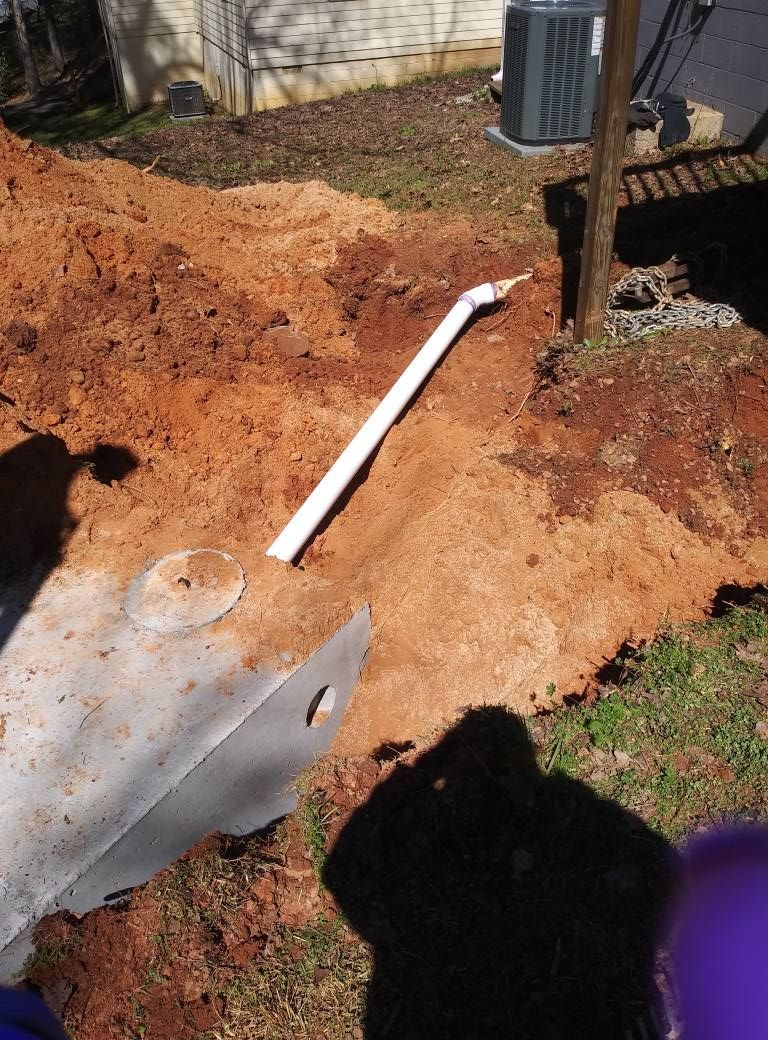
Some repairs require excavation to access buried components, while others can be performed through existing access risers if the tank was installed with adequate service ports. The scope of work depends on whether damage is limited to a single component or has spread to multiple parts of the system. In cases where the tank itself has extensive cracking or structural failure, replacement may prove more cost-effective than attempting repairs, though many component failures can be addressed individually without replacing the entire tank.
Answers to Frequent Service Questions
Homeowners facing system problems need to understand what can be repaired, when replacement is necessary, and how quickly issues need attention.
What septic problems can be repaired versus requiring replacement?
Cracked tanks can often be sealed if damage is limited, baffles can be replaced when deteriorated, and pipe connections can be re-established when separated, but tanks with extensive structural damage or complete baffle failure throughout usually require replacement.
How quickly do septic repairs need to happen?
Leaks that allow sewage to contaminate soil or groundwater require immediate repair to prevent health hazards and environmental damage, while component damage that hasn't yet caused system failure can often be scheduled within days rather than hours.
What causes septic tank components to fail?
Baffles deteriorate from constant exposure to corrosive wastewater and hydrogen sulfide gas, tanks crack from ground settling or root intrusion, and pipe connections separate from ground movement or improper installation, with most failures occurring in systems 15 to 30 years old.
Why do repairs sometimes require excavation?
Tanks installed without risers or with buried access lids require excavation to reach the tank interior for baffle replacement or crack repair, and distribution boxes are typically buried with no surface access unless risers were added during installation.
How do I know if my system needs repair or just pumping?
Systems needing pumping show slow drains that resolve after service, while systems needing repair continue showing problems immediately after pumping, produce sewage odors or wet spots in the yard, or back up despite an empty tank with adequate capacity for household size.
Kelley Septic & Services, LLC provides diagnostic service to identify the specific repair needed and delivers practical solutions that extend system life while avoiding unnecessary replacement costs. Request a service call to address system problems before they progress to complete failure.