
Wastewater Treatment That Functions for Decades
Drain field installation in LaGrange for new septic systems and properties where existing drain fields have failed
The drain field completes the septic treatment process by distributing partially treated wastewater from the tank across a soil area large enough to filter and absorb the daily flow before it reaches groundwater. Kelley Septic & Services, LLC installs drain fields for new construction septic systems and properties throughout LaGrange where existing fields have failed due to age, improper design, or soil saturation. Installation requires careful site evaluation since soil composition determines how the field must be configured, with clay soils requiring larger drain field areas or engineered solutions and sandy soils draining faster but needing depth considerations to prevent contamination. You need this service when building a new system, when the existing drain field shows permanent saturation with sewage surfacing in the yard, or when inspection reveals that the current field no longer percolates wastewater properly.
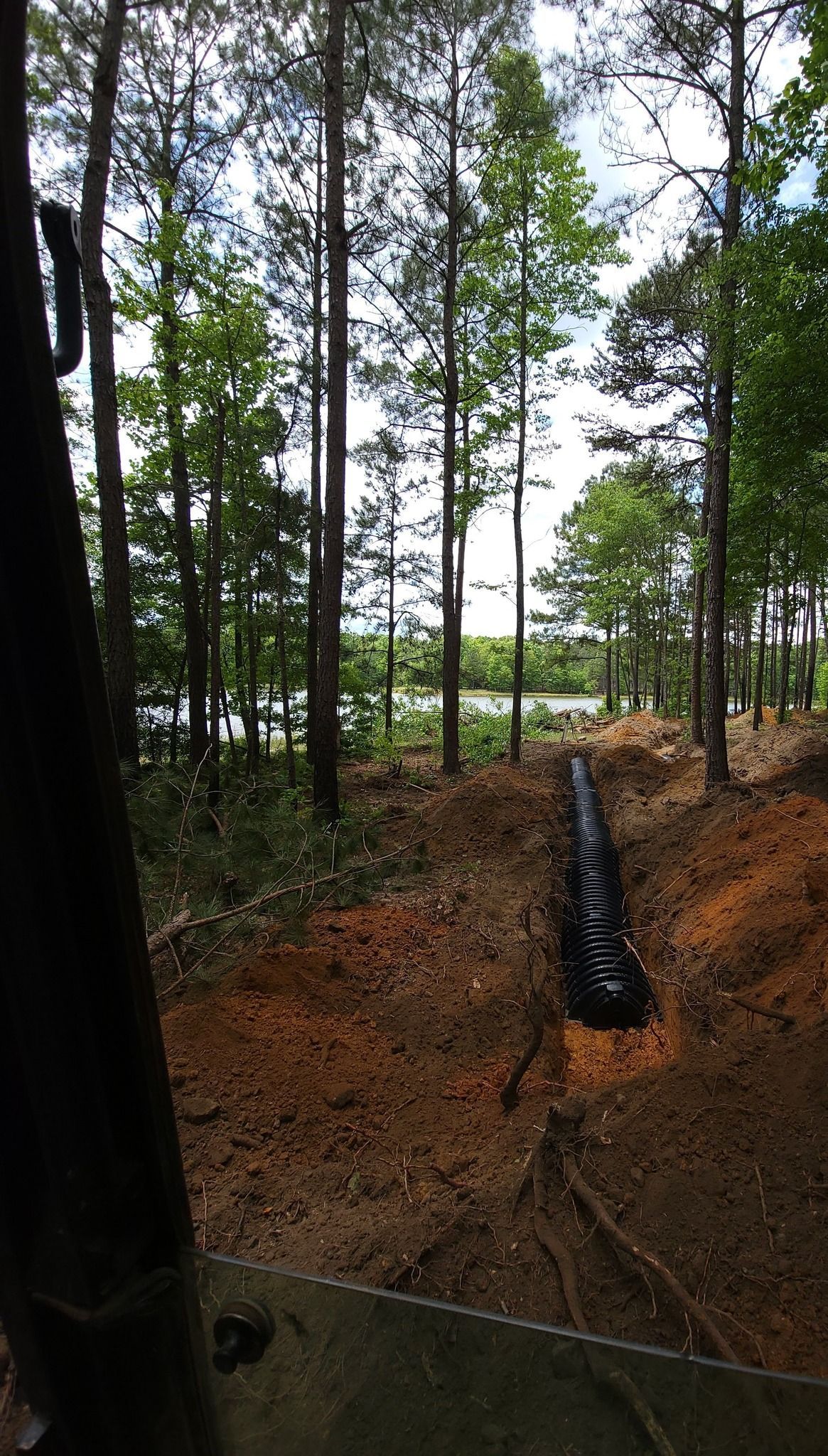
Installation begins with soil percolation testing to measure how quickly water moves through the soil at the proposed field location, which determines the required drain field size and configuration. The field consists of perforated distribution pipes laid in gravel-filled trenches at a depth that allows wastewater to filter through several feet of soil before reaching the water table. Proper layout maintains even distribution across all drain lines to prevent overloading any section, with the field positioned to allow gravity flow from the septic tank without requiring a pump system unless terrain makes this unavoidable.
Request a site evaluation and percolation testing to determine drain field requirements for your property's soil conditions.
Why Correct Installation Matters Long-Term
Drain field installation requires excavating trenches to the specified depth and width, placing a gravel base layer, laying perforated distribution pipes at precise grades to maintain even flow, and covering the pipes with additional gravel before backfilling with soil. The gravel layer provides a reservoir for wastewater distribution and prevents soil from clogging the pipe perforations. Spacing between trenches allows untreated soil areas where aerobic bacteria complete the treatment process that began in the septic tank.
After installation, the drain field operates invisibly with wastewater filtering through the soil and no indication of the system's presence beyond restricted planting and building zones above the field. Grass grows normally over the field area, and there are no odors, wet spots, or surfacing sewage when the field is properly sized and installed. The system handles your household's daily wastewater volume year after year without requiring replacement if protected from vehicle traffic and deep-rooted plants that could damage distribution pipes.
The field's functional life depends on maintaining the soil's ability to absorb and filter wastewater, which requires keeping solids in the tank through regular pumping and avoiding overloading the system with excessive water use. Soil compatibility testing before installation prevents premature failure by identifying problem conditions like high water tables, bedrock near the surface, or clay layers that would prevent adequate drainage. Some properties in LaGrange with challenging soil conditions require engineered drain fields using sand mounds, drip distribution systems, or other advanced designs that compensate for poor native soil percolation rates.
Common Questions About This Service
Property owners need to understand how drain fields work, what affects their lifespan, and how soil conditions influence design requirements.
What makes a drain field fail after years of normal operation?
Drain fields fail when soil pores become clogged with solids that escaped the tank due to infrequent pumping, when excessive water use saturates the soil beyond its absorption capacity, or when the biomat layer that forms naturally becomes too thick and impermeable from system overload.
How large does a drain field need to be?
Field size is calculated based on daily wastewater volume projected from bedroom count and on soil percolation test results, with slower-draining clay soils requiring significantly larger field areas than sandy soils to absorb the same daily flow.
Why can't I plant trees near the drain field?
Tree and shrub roots seek water and nutrients, which leads them to infiltrate and clog drain field pipes, while deep roots can physically damage the pipes and gravel bed, requiring field excavation and repair or complete replacement.
What is a soil percolation test?
Percolation testing involves digging test holes in the proposed drain field area, filling them with water, and measuring how quickly the water level drops, which indicates how fast the soil can absorb wastewater and determines the required field size.
When do properties need engineered drain field systems?
Properties with clay soils that drain very slowly, high water tables that limit field depth, or insufficient land area for conventional trenches require engineered solutions like sand mound systems, pressure-dosed distribution, or drip irrigation fields designed specifically for challenging site conditions common in parts of LaGrange.
Kelley Septic & Services, LLC provides complete drain field installation coordinated with septic tank placement and permits, delivering systems designed for the specific soil conditions on your property. Schedule a consultation to discuss field requirements and receive a detailed installation quote.