Finding Problems While They're Still Manageable
Septic system inspections in LaGrange for real estate transactions, routine maintenance planning, and problem diagnosis
A septic system can appear functional on the surface while hiding problems that will require expensive repairs within months, making professional inspection critical before purchasing property or when planning long-term maintenance. The inspection process evaluates tank condition, checks inlet and outlet baffles for damage, measures sludge and scum layer thickness to determine if pumping is overdue, and assesses drain field performance by observing soil conditions and wastewater absorption patterns. Kelley Septic & Services, LLC provides detailed inspections for homeowners in LaGrange who need documentation of system condition, buyers requiring pre-purchase evaluation, or anyone experiencing drainage issues that could indicate system problems.
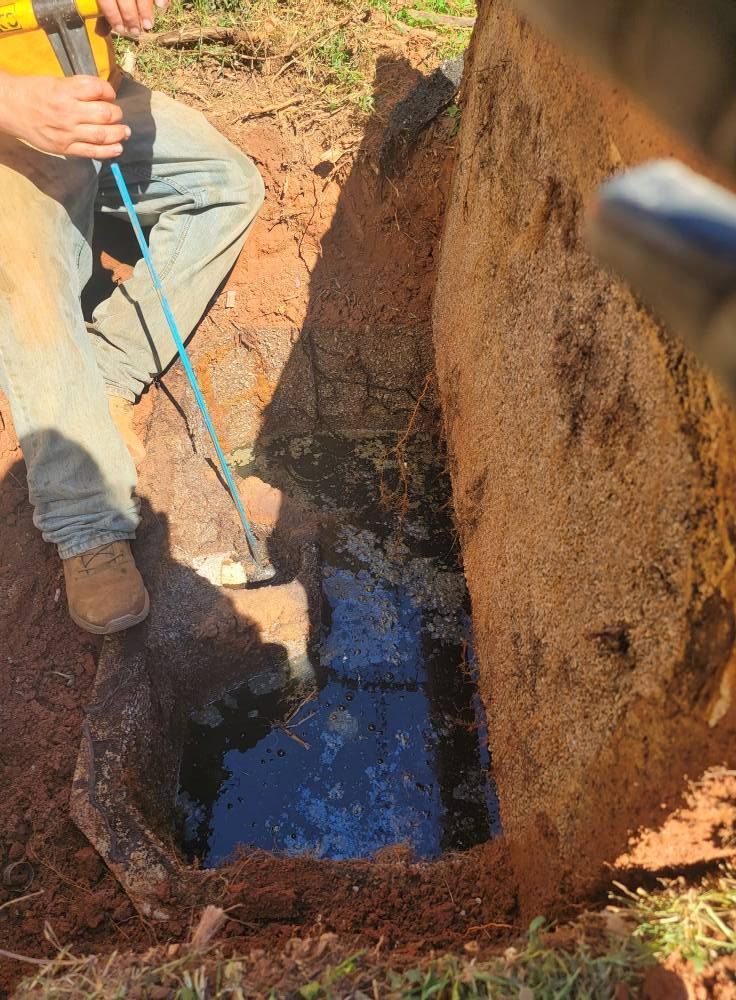
The service involves locating all system components including the tank, distribution box, and drain field boundaries, then uncovering access points to perform visual and functional checks. Inspectors look for cracks in the tank walls, failed baffles that allow solids to exit toward the drain field, and signs of groundwater infiltration that indicate seal failures. Drain field evaluation includes checking for surfacing sewage, saturated soil, or unusually lush vegetation that suggests wastewater isn't absorbing properly.
Schedule an inspection to document current system condition and identify any repairs needed before problems worsen.
How Inspections Address Future Repair Costs
Inspection reports document tank integrity, component condition, and operational status with enough detail for buyers to negotiate repairs or for homeowners to plan maintenance budgets. The process includes measuring distances from the tank to wells, property lines, and water bodies to verify compliance with current setback requirements, which matters for properties installed under older codes. Inspectors also verify that access risers extend to grade level, since tanks buried without accessible lids require excavation every time service is needed.
After inspection, you receive a written report detailing all findings, including measurements of sludge accumulation, descriptions of any damage or deterioration, and recommendations for repairs or pumping. This documentation provides a baseline for tracking system condition over time and helps prioritize maintenance spending by distinguishing urgent problems from issues that can wait. Real estate buyers gain negotiating information and realistic cost estimates for any needed work.
Early detection during inspection typically reveals problems like cracked tank walls, missing or damaged baffles, or early-stage drain field saturation that can be addressed before they cause sewage backups into the home or complete system failure. A failing baffle might cost a few hundred dollars to replace during a planned service visit, while waiting until solids reach the drain field could require thousands in drain field repairs. The inspection also establishes whether the system was installed with a permit and meets code requirements, which affects property value and future serviceability.
What Property Owners Usually Ask
Understanding what inspections reveal and how the information guides decisions helps both buyers and current homeowners.
What does a septic inspection actually check?
Inspections evaluate tank structural integrity, measure accumulated sludge levels, check that inlet and outlet baffles are intact and functioning, verify proper wastewater flow, and assess drain field condition by looking for saturation or surfacing sewage.
When should I have my system inspected?
Inspections are essential before purchasing property with a septic system, when you notice any drainage problems or odors, before selling your home, or every three to five years as part of routine maintenance planning.
Why do real estate transactions require septic inspections in LaGrange?
Septic system failure represents one of the largest potential repair costs in a home purchase, often exceeding $10,000 for complete replacement, making pre-purchase inspection a standard contingency that protects buyers from inheriting expensive problems.
What happens if the inspection finds problems?
The inspection report documents all issues with severity ratings and repair recommendations, allowing buyers to request seller repairs, negotiate price reductions, or budget for upcoming maintenance, while current homeowners can plan repairs before emergency failures occur.
How long does an inspection take?
Most residential septic inspections require one to two hours depending on system accessibility, the number of components, and whether the tank needs to be pumped to allow interior inspection.
Kelley Septic & Services, LLC delivers inspection reports with clear findings and specific recommendations that support informed decisions about property purchases or maintenance priorities. Contact us to arrange an inspection appointment and receive documentation of your system's condition.